First Light Over Afghanistan
"**THE FLIGHT** On 7 October 2001, the first strikes began"
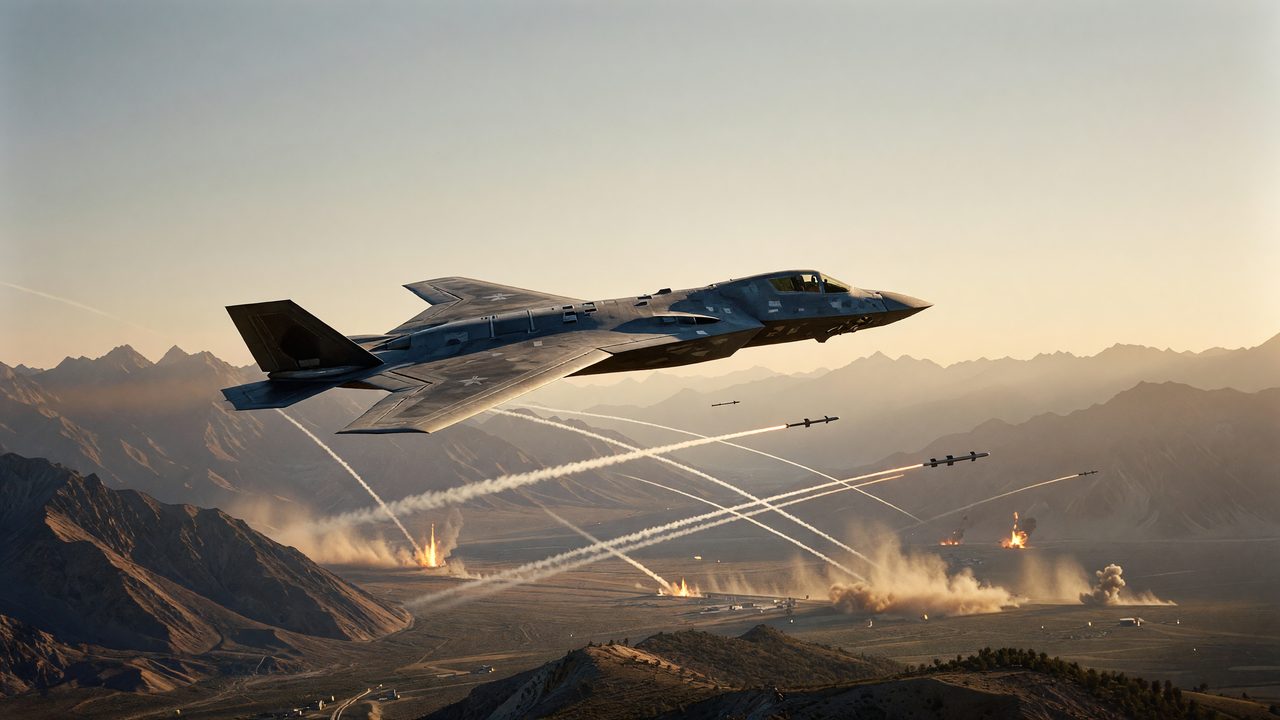
First Light Over Afghanistan
On 7 October 2001, American airpower opened Operation Enduring Freedom with a coordinated strike that rewrote the playbook for modern combat aviation—and set patterns student pilots still study today.
The Clock Starts at 12:30
When the first weapons fell on Afghanistan, the Pentagon had already spent weeks building an air campaign from almost nothing. Secretary of Defense Donald Rumsfeld and Chairman of the Joint Chiefs General Richard Myers told reporters that afternoon that the opening salvo involved roughly fifteen land-based bombers, about twenty-five carrier-based strike aircraft, and some fifty Tomahawk cruise missiles. The first target was struck at approximately 12:30 p.m. Eastern Daylight Time.
The initial aim was deliberate and limited: Taliban early-warning radars, airfields, and command centers. Myers described an enemy with only a handful of operable fighters and a thin, aging air-defense network. Within days, that residual threat had been neutralized. Afghanistan’s skies, once contested in theory, belonged to coalition aircraft.
From the Sea and the Ramp
The strike package reflected how the United States could project power without a large forward footprint. Carrier aviation supplied a substantial share of the opening effort—roughly two dozen tactical aircraft from decks already on station—while long-range bombers launched from bases far from the combat zone. Tomahawks, fired from ships and submarines, opened corridors by hitting fixed targets before manned aircraft pressed deeper.
Rear Admiral John Stufflebeem, briefing journalists through November 2001, portrayed an air war that was methodical rather than theatrical. Sortie rates climbed, target sets expanded, and planners adjusted as intelligence improved. What looked from Washington like a single thunderclap was, for aviators, the first day of a sustained air tasking rhythm documented in U.S. Central Command summaries and air tasking orders from October through December 2001.
Boots, Lasers, and Heavy Bombers
Air superiority alone could not dislodge the Taliban from fortified ground. American special operations forces entered by helicopter and MC-130, linked up with Northern Alliance commanders, and brought something the alliance lacked in quantity: timely, accurate fires. Joint terminal attack controllers and accompanying teams used laser designators to mark Taliban and al-Qaeda positions, turning high-altitude bombers into close air support platforms.
B-52s, B-1s, and B-2s—aircraft designed for strategic attack—instead delivered devastating fires miles from traditional front lines. Benjamin S. Lambeth’s RAND study Air Power Against Terror: America’s Conduct of Operation Enduring Freedom (2006) emphasizes how that pairing of indigenous maneuver with American sensors and munitions compressed weeks of conventional ground fighting into days. Meanwhile, Predator unmanned aerial vehicles conducted reconnaissance over routes and compounds; in a historic first, they also fired Hellfire missiles in combat, foreshadowing the armed remotely piloted aircraft missions that would define the next two decades.
Mercy Dropped from the Same Sky
The campaign’s public face was not only explosive. C-17 Globemaster IIIs dropped humanitarian daily rations alongside the air war, bundles fluttering down on separate corridors from strike routes. Rumsfeld framed the effort as simultaneous destruction of a hostile regime’s ability to support terrorism and relief for Afghan civilians caught in the crosscurrents of winter and war. For transport crews, the mission was a stark dual task: precision logistics under threat, flown in the same theater where fighters and bombers were clearing the way.
By November, Taliban forces had fled Kabul; by December, surviving elements were pressed into the Tora Bora mountains. Airpower had not won the war alone—but it had enabled a ground advance that, without the October opening, would have been unimaginable.
Why it matters to you
The operational principles demonstrated on 7 October 2001 still shape how pilots train today. Opening strikes sought control of the air first, then layered effects: fixed-target Tomahawks, flexible carrier and land-based strike, SOF-enabled terminal guidance, and persistent ISR from platforms that would soon carry weapons. If you practice CAS coordination, study ATO flow, or brief unmanned systems beside manned fighters, you are working inside a doctrine Enduring Freedom proved in combat. The first target at 12:30 p.m. EDT was not an isolated raid—it was the template for integrated air operations in the twenty-first century.